Humane Skunk Removal for Residential Neighborhoods
Why Experienced Wildlife Removal Services Are Essential for a Safer Home Environment
Wildlife encroachments pose significant risks to residential safety. Many property owners underestimate the potential hazards associated with wildlife in their homes. Expert wildlife removal services provide essential expertise in handling these risks. They not only address current infestations but also establish strategies to avoid future incidents. Understanding the medical consequences and the techniques used by these professionals is vital for maintaining a secure home setting. What particular dangers do these animals bring, and how can experts effectively reduce them?
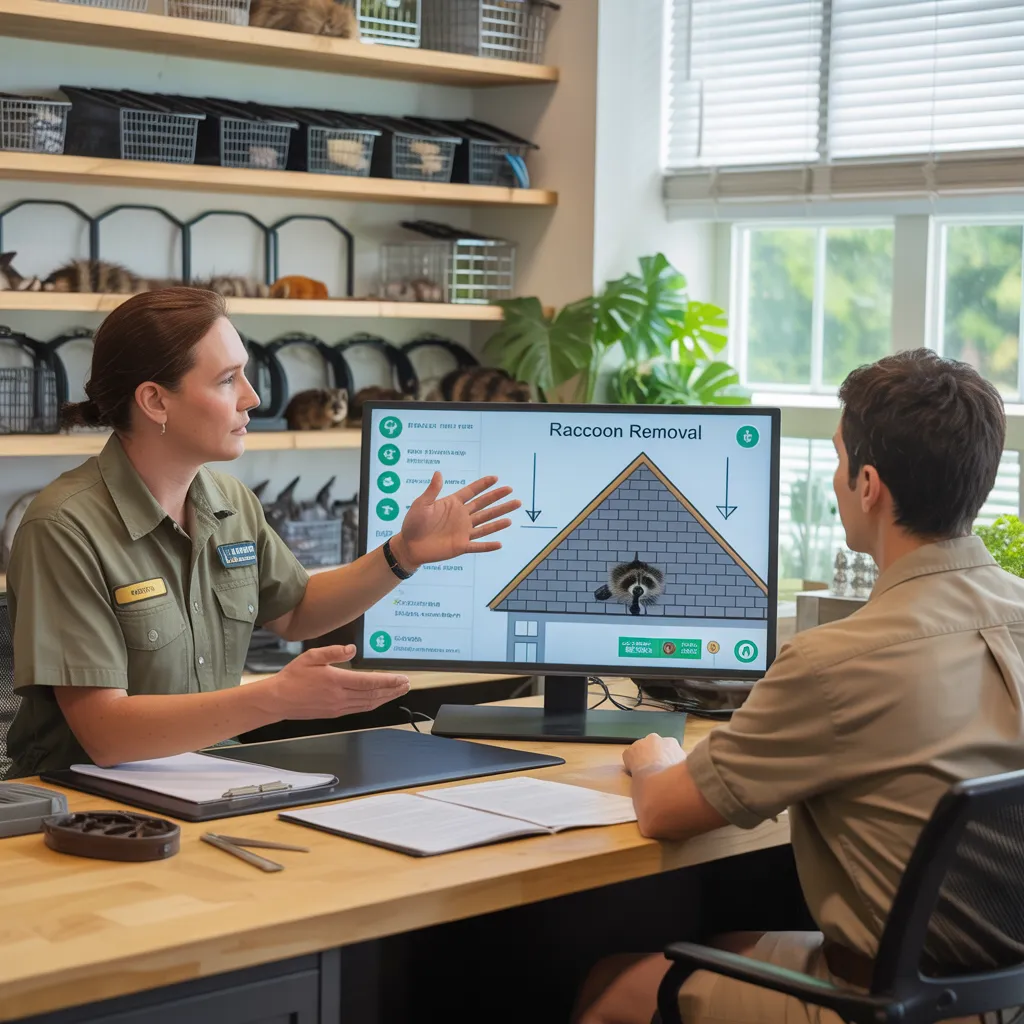
Why It's Critical to Be Concerned About Creature Encroachments
Animal intrusions create major risks to dwellings and real estate. Creatures such as raccoons, squirrels, and bats can breach buildings, causing potential damage and safety worries. These intrusions typically result in building problems, including chewed wiring, insulation harm, and compromised roof coverings. In addition, creatures can carry pests like fleas and ticks, which can influence both human and pet welfare.
Additionally, many wild animals carry pathogens that pose medical dangers to residents. Rabies, hantavirus, and leptospirosis are simply a number of cases of the dangers introduced by these trespassing creatures. Their presence can create an setting of dread and stress for residents, interrupting normal activities and peace of mind.
Neglecting the markers of unauthorized animal entry can bring about accumulating challenges, making immediate detection and action vital. Perceiving the effects of wildlife intrusions is critical for maintaining a fortified and protected residential environment.
Why Expert Wildlife Removal Is Essential for Safety
When homeowners encounter wildlife intrusions, obtaining professional wildlife control is crucial for ensuring safety. Wild creatures, such as raccoons, squirrels, or bats, can pose various dangers, including property destruction and potential injury to occupants. These animals may gnaw through electrical wiring, damage structural integrity, or create unsanitary conditions.
Expert wildlife removal professionals have the essential training and tools to manage these situations safely and effectively. They understand animal behavior and can implement humane removal strategies, minimizing stress for both the animals and the homeowners. Furthermore, professionals can locate entry points and offer recommendations for future prevention, reducing the likelihood of recurring issues.
What Medical Dangers Arise With Wildlife in Your Home?
Coming across wildlife in your house creates multiple health risks that property owners may not immediately recognize. Animals such as raccoons, rodents, and bats can transmit different illnesses that pose significant threats to human health. For copyrightple, raccoons are known carriers of rabies, which can be fatal without timely professional intervention. Rodents, including mice and rats, can spread hantavirus and salmonella through their droppings and urine, possibly contributing to serious breathing issues and gastrointestinal illnesses.
Furthermore, wildlife can introduce parasites like fleas, ticks, and mites into the home, which can affect both humans and pets. The presence of these pests may lead to hypersensitivity responses and skin irritations. Moreover, the structural damage caused by wildlife can create hidden hazards, such as mold growth from moisture accumulation. As a result, recognizing these health risks underscores the importance of addressing wildlife issues promptly and effectively.
The Way Animal Extraction Specialists Manage Medical Concerns
To effectively lessen health risks connected with wildlife in homes, experts implement a methodical approach that stresses safety and thoroughness. Initially, wildlife removal specialists perform a comprehensive inspection to pinpoint entry points and evaluate the extent of the infestation. This assessment allows them to comprehend potential health hazards, such as the spread of zoonotic diseases.
Once the evaluation is done, professionals apply humane trapping methods to securely remove the animals, protecting minimal stress to both the animals and residents. They also wear protective equipment to evade direct contact with wildlife and any harmful substances that may be present.
After removal, experts carefully sanitize and purify the impacted spaces, tackling droppings, urine, and nesting materials, which can contain pathogens. This cleaning procedure is crucial to restoring a safe environment. By following these protocols, wildlife removal experts significantly minimize health hazards, providing peace of mind to homeowners.

How Preventive Strategies Can Defend Your Home From Wildlife
Preventative strategies play an crucial role in safeguarding homes from wildlife intrusions, as preventive approaches can notably reduce the likelihood of undesired visits. Homeowners can begin by closing openings and fissures in structural elements, which serve as access routes for different wildlife. Installing sturdy barriers on ventilation openings and chimney areas further enhances protection.
Keeping your yard clean is crucial; removing food items, such as pet food or fallen fruits, can prevent wildlife from approaching. Regularly pruning trees and shrubs can eliminate potential nesting sites and prevent access to roofs. Furthermore, securing trash bins with tight-fitting lids minimizes temptations.
Installing motion-sensing illumination and sound deterrents can also discourage nocturnal wildlife from nearing homes. Through implementing these preventive approaches, homeowners can greatly lower the risk of wildlife trespassing, creating a safer and more comfortable living environment.
Tips for Choosing the Correct Wildlife Removal Service
Picking the correct wildlife removal service requires inspection of licensing and certification, as these certificates warrant compliance with local regulations. Additionally, appraising the experience and expertise of the service provider can greatly shape the effectiveness of the removal process. A well-informed decision can result in a more effective resolution of wildlife issues.
Permit And Certification Requirements
Picking a wildlife removal service necessitates diligent assessment of licenses and certifications to guarantee safety and legality. Licensed technicians follow state and local regulations, ensuring compliance with wildlife protection laws. Certification from credentialed institutions signifies that the service provider has satisfied industry standards in ethical capture and removal operations. It is essential to verify the credentials of any wildlife removal service, as this not only shows their dedication to responsible conduct but also safeguards homeowners from potential legal problems. Furthermore, certified services frequently invest in consistent professional development, keeping their methods up-to-date with the latest techniques and regulations. Thus, verifying licensing and certification is a necessary measure in selecting a reliable and accountable wildlife removal service.
Experience And Expertise Levels
A abundance of experience and expertise can greatly influence the effectiveness of a wildlife removal service. Companies with deep experience in the field have the skills required to identify species accurately and comprehend their behaviors. This knowledge allows for customized approaches that ensure safe and humane removal. Additionally, seasoned experts are well-versed in local ordinances and requirements, which helps in compliance and reduces potential regulatory concerns.
When selecting a animal control service, it is advisable to copyrightine client reviews and find out about the team's training and certifications. A reputable organization should also present ongoing education for its employees, making certain they stay current on best practices and techniques. Ultimately, selecting a company with proven experience can lead to a more protected home.
Frequently Raised Questions
How Much Will You Pay for Wildlife Removal Services?
Removing wildlife generally expenses between $100 to $1,500, determined by factors including the type of animal, the severity of the infestation, and the specific services required. Prices vary substantially based on location and company.
What Classes of Wildlife Are Generally Taken Out?
Wildlife that is frequently eliminated includes raccoons, squirrels, bats, and opossums. essential information These animals often enter homes, causing potential hazards. Professional services effectively manage their removal, ensuring safety and avoiding further infestations in residential areas.
Are Wildlife Removal Techniques Ethical?
Wildlife removal methods can be humane, focusing on safe relocation rather than elimination. Professionals often employ exclusion methods and traps designed to reduce injury, ensuring that creatures receive ethical treatment while resolving conflicts between humans and wildlife effectively.
What is the duration of the extraction process?
Removing the problem ordinarily occupies a few hours or several days, depending on the variety of pests, the extent of the infestation, and the procedures utilized. Each scenario calls for a individualized methodology for successful treatment.
Will Animals Return After Getting Removed?
Yes, creatures can return after removal if suitable preventative steps are not instituted. Blocking access points and eliminating food sources are critical steps to guarantee that creatures do not return to the property in the future.